Booking choice: The day trip with the refuge hike, ★ 4.8 (390). Check dates Compare the options below
Cotopaxi is one of the highest active volcanoes in the world, and it lives up to the word active: it has erupted twice in the last ten years. That can sound worrying when you are planning a day trip. In practice, the volcano is watched closely by scientists every hour of every day, which is exactly why visits are well managed.
This guide explains the status in late September 2026, what IG-EPN reported during the year, how closures work, what happened in past eruptions and where to check before you go. For the hike itself, see the Cotopaxi refuge hike guide; for the summit, the guide to climbing Cotopaxi.
The quick answer
Status in late September 2026: open. IG-EPN rated activity low and stable, described as relatively calm with no change. Refuge: the José Ribas refuge at 4,864 m is operating for hikers. Glacier edge: access above the refuge depends on the park authority and IG-EPN monitoring. Summit: guided climbs run with park permits since a staged reopening from 21 February 2024. Last eruption: 21 October 2022 to about July 2023, ash, gas and steam. Before that: August 2015 to January 2016. Biggest historic eruption: 26 June 1877, lahars to Latacunga. Hours: gates admit visitors from 8:00 to 15:00, and you can stay until about 17:00. Entry: No ticket is needed to enter the park; you register at the gate with your passport. Where to check: the IG-EPN website and your operator, who confirms the day before. Cancellation: full refund if you cancel up to 24 hours ahead on every tour listed here.
Can you visit Cotopaxi right now?
Yes. In late September 2026 the park was open for day visits, the refuge hike was running and guided summit climbs operated with permits. Rules can change at short notice, so your operator confirms the day before.
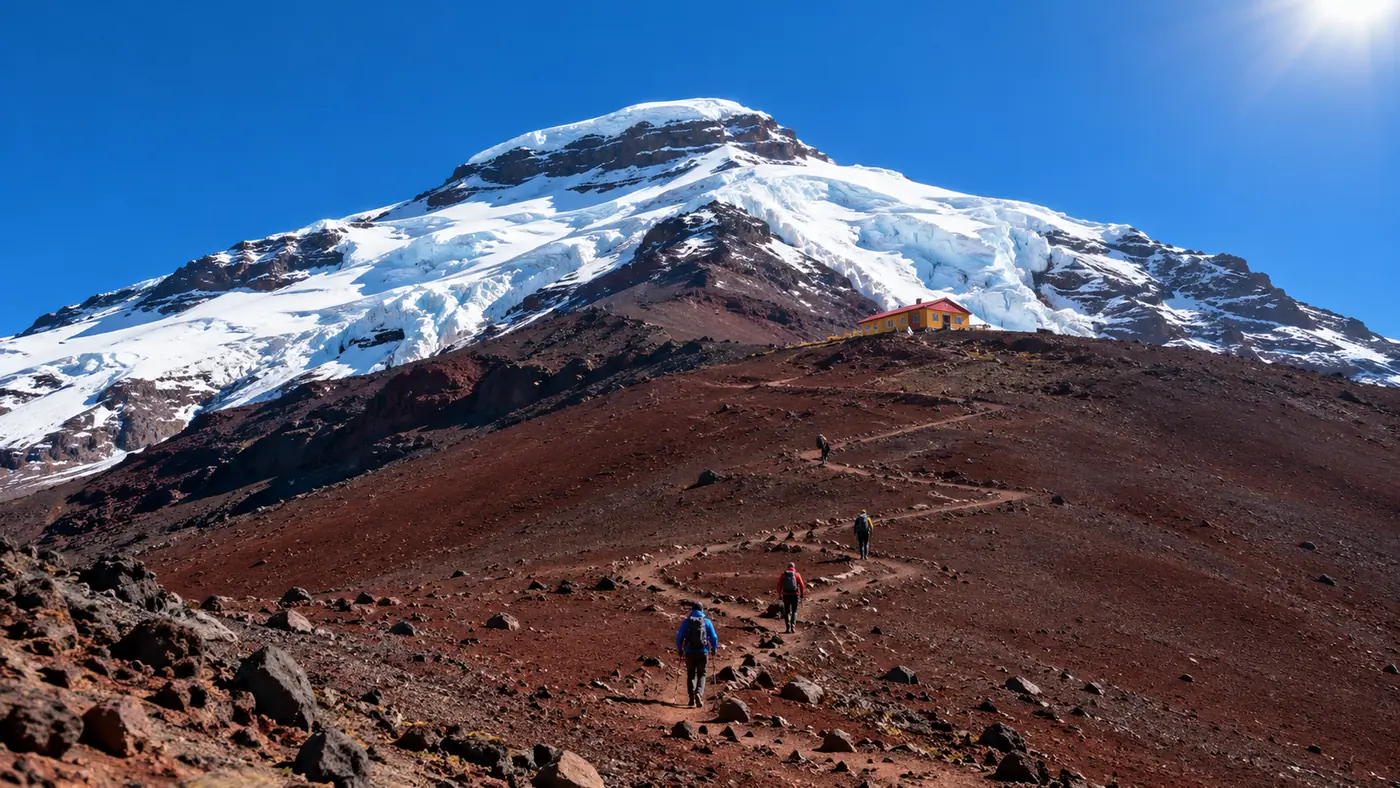
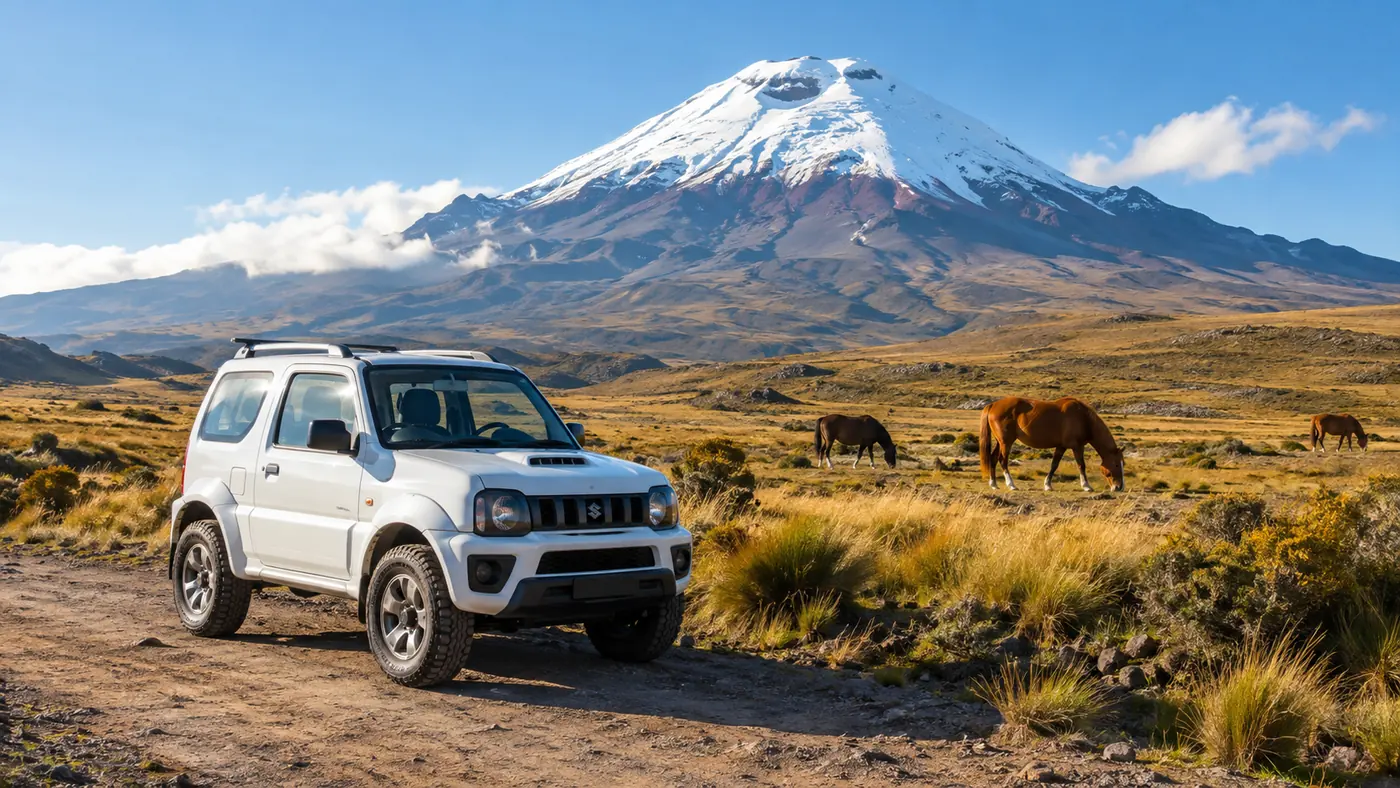
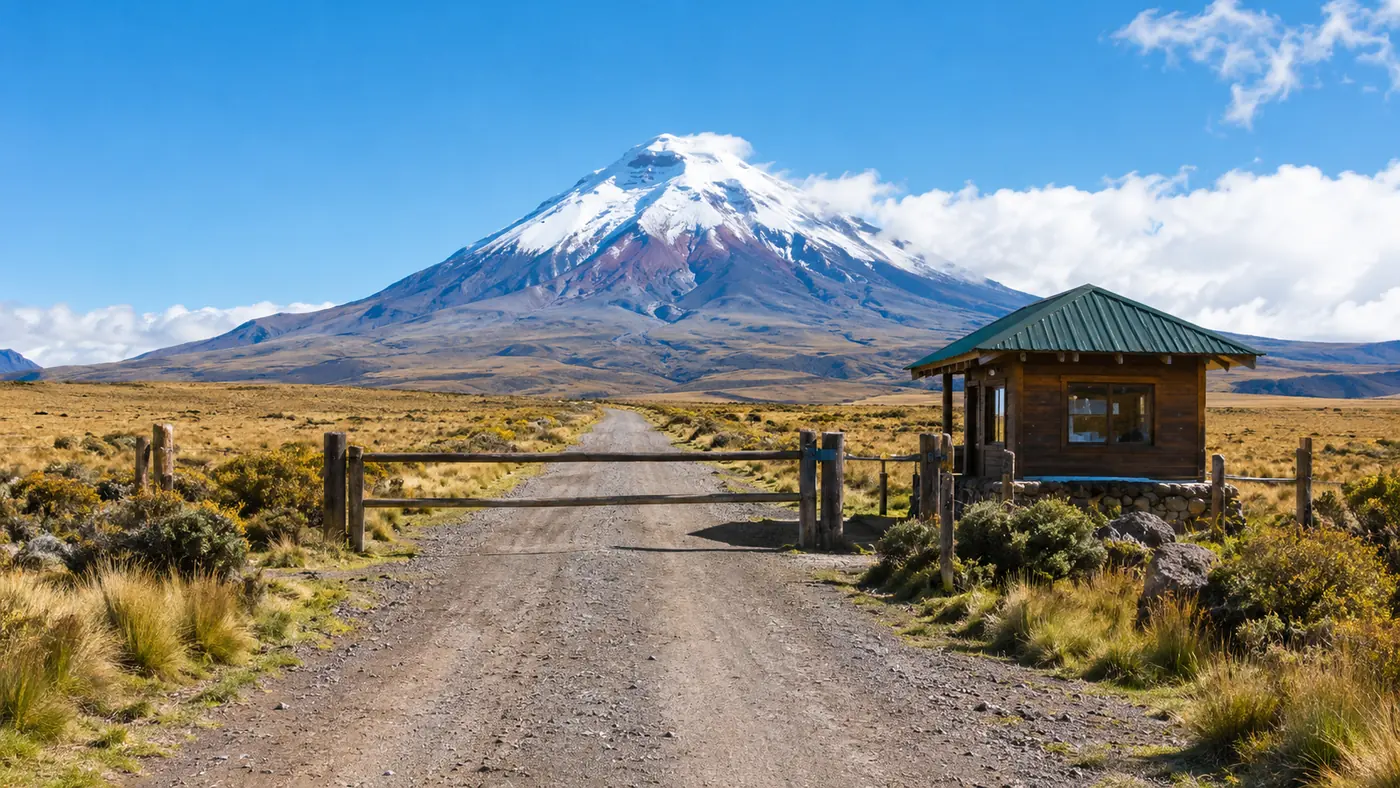
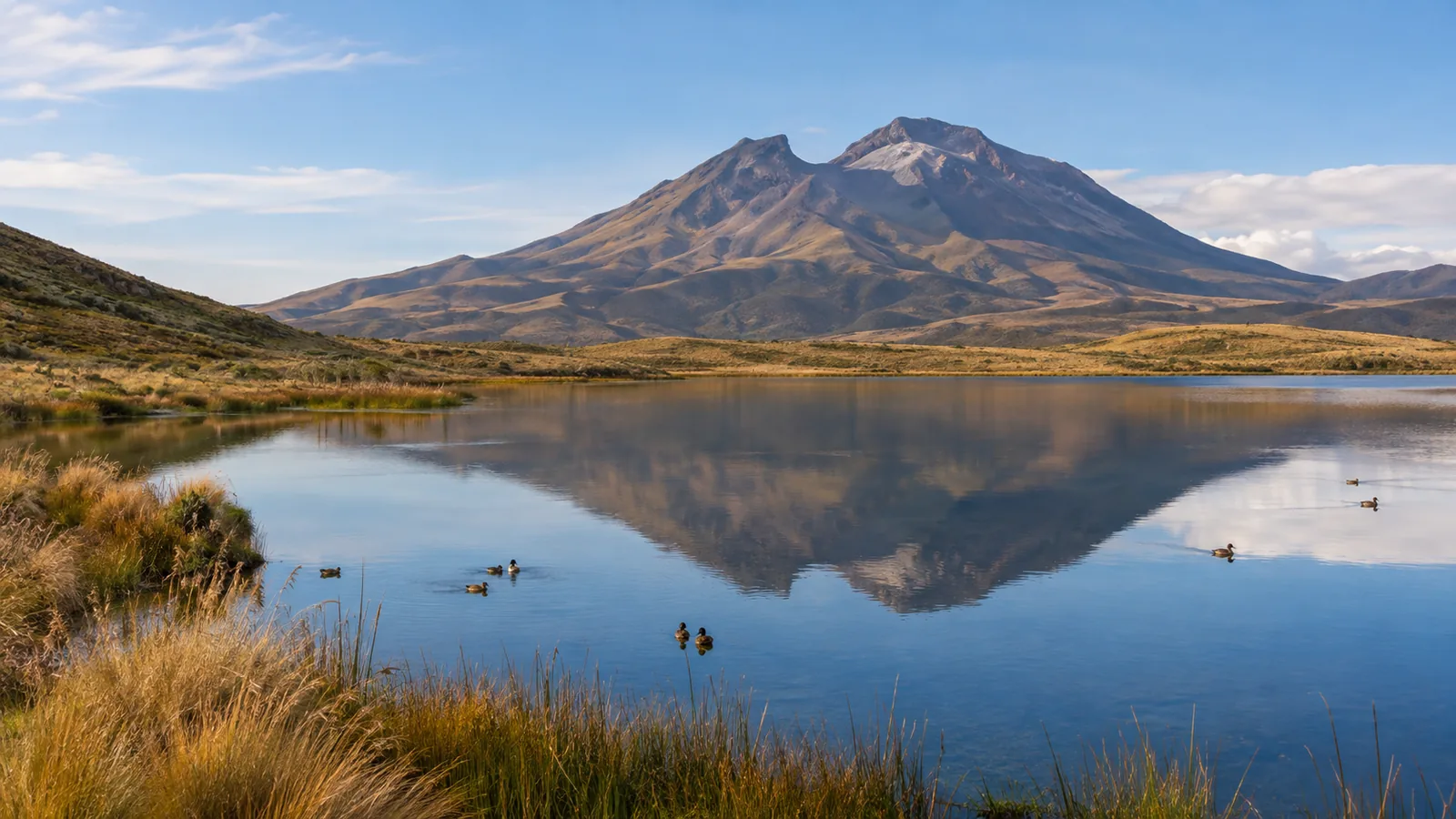
A normal visit in late September 2026 included everything the day tours advertise: the drive through the páramo, the interpretation centre, Limpiopungo lagoon at about 3,800 m, the car park at about 4,500 m and the hike to the José Ribas refuge. Gates admit visitors from 8:00 to 15:00, and you can stay inside until about 17:00. No ticket is needed to enter the park; you register at the gate with your passport.
You may still find articles online, some with recent dates, saying that visitors may only go as far as the refuge and that the glacier and summit are closed. Some repeat rules from earlier closures. The safe way to read them: access above the refuge depends on the park authority and on IG-EPN monitoring. Rules can change at short notice, so your operator confirms the day before. Booking the Cotopaxi day trip with the refuge hike (4.8 from 390 reviews) puts that check in the hands of people who drive there every day.
Open and running: a bilingual guide, Limpiopungo lagoon and the hike to the José Ribas refuge, with the operator checking the rules before you leave.
Check dates for the day trip with the refuge hikeIs Cotopaxi erupting?
No. There is no eruption under way. In its September 2026 reports IG-EPN described Cotopaxi as relatively calm, with low internal and surface activity and no change.
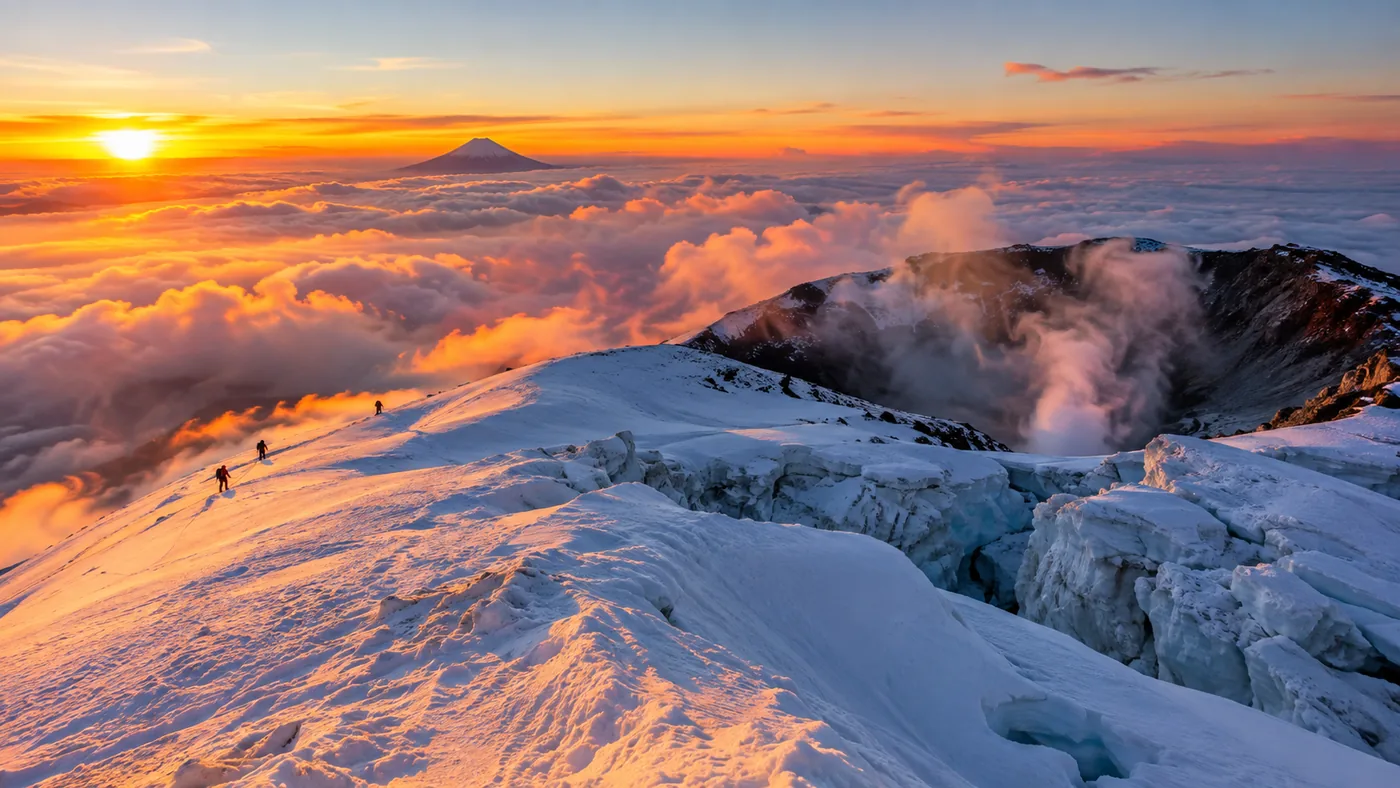
An active volcano is not the same as an erupting one. Cotopaxi has fumaroles, places near the crater where gas and steam escape, and its instruments record small earthquakes inside the mountain. On a clear morning you may see a thin plume of steam near the summit. That is normal for Cotopaxi and is part of what IG-EPN tracks every day with seismometers, gas measurements, cameras and satellite data.
An eruption means ash, gas and sometimes rock being thrown out of the crater, as happened from October 2022 to mid-2023. Before such a period, IG-EPN usually sees changes in the data, such as more earthquakes or more gas, and raises its reports accordingly. That warning time is what allows the park authority to adjust access calmly instead of in a rush.
What did IG-EPN report about Cotopaxi in 2026?
A weather-related rock-and-snow flow in March, a closer watch in April after more seismic events and minor gas, and low, stable activity again by September. The refuge stayed in use.
- 14 March 2026: around 11:00, rock broke away at the Yanasacha fumarole area on the upper slope, and a flow of snow and ice ran down the mountain. In special report Cotopaxi 2026-001, IG-EPN said it was caused by weather, not volcanic activity, and that activity stayed low. No injuries were reported.
- 1 April 2026: IG-EPN met the staff of the José Ribas refuge to review contingency plans. The refuge receives thousands of visitors a year.
- 7 April 2026: IG-EPN noted more seismic events and minor gas and steam, and stepped up its monitoring. It said a large eruption was not expected, while small eruptions could affect people close to the crater.
- September 2026: IG-EPN again described activity as low and unchanged.
The April note is a good example of how the system works: a change in the data, a public explanation and closer monitoring, long before any effect on visitors. Day tours such as the full day with lagoon and refuge (4.9 from 36 reviews) were running normally by September.
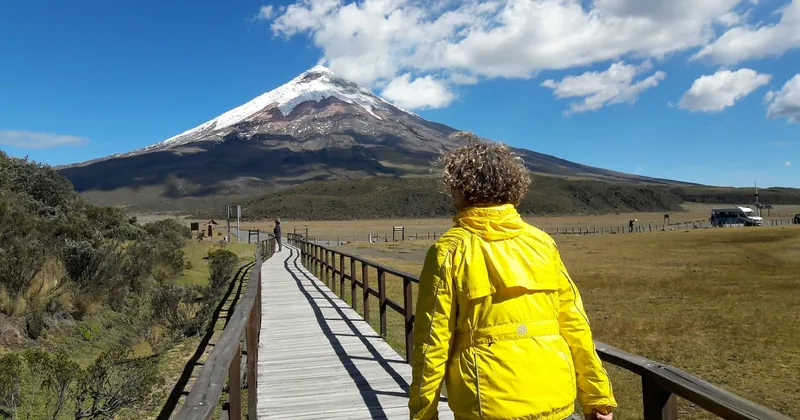
A refuge day that follows the latest park rules: pickup at Plaza Foch, La Carolina or the Old Town, a bilingual guide, the visitor centre, Limpiopungo lagoon and the hike to 4,864 m. Rated 4.8 from 390 reviews.
Explore the day trip with the refuge hikeWhen did Cotopaxi last erupt?
Its last eruptive period began on 21 October 2022 and ended around July 2023, with ash, gas and steam; it was strongest from December 2022 to February 2023. Before that, Cotopaxi erupted from August 2015 to January 2016.
Neither eruption came close to the size of 1877. Both were mainly ash, gas and steam. Their main effect on visitors was on access: the summit closed in October 2022 and reopened only in stages from 21 February 2024, under new rules for climbers. The summit rules are explained in the guide to climbing Cotopaxi. The table gives the main moments in the volcano's recent history and what they meant for visits.
| Year | What happened | Effect on visits |
|---|---|---|
| 1872 | Wilhelm Reiss and Ángel María Escobar make the first recorded ascent | The start of Cotopaxi climbing |
| 1877 | A major eruption melts part of the ice cap; lahars reach Latacunga | There was no park yet; it was created in 1975 |
| 1975 | Cotopaxi National Park is created, the first on mainland Ecuador | The park becomes the gateway for visits |
| 2015 to 2016 | Ash and steam eruption from August 2015 to January 2016 | Access was restricted while the eruption lasted and reopened in stages |
| 2022 to 2023 | Ash, gas and steam from 21 October 2022 to about July 2023 | The summit closed from October 2022; the park authority set access to the rest of the park as activity changed |
| 2024 | Staged reopening of the summit from 21 February | Guided climbs return under quotas, certified guides and IG-EPN briefings |
| 2026 | Weather-related flow in March, closer monitoring in April, low and stable in September | The park, the refuge and guided climbs operate; rules can change at short notice |
What happened at Cotopaxi in 1877?
On 26 June 1877 a major eruption melted part of the ice cap. The meltwater formed lahars, fast flows of mud and rock, that devastated Latacunga and travelled more than 100 km, reaching the Pacific on the Esmeraldas side.
The 1877 eruption is the reason Cotopaxi is taken so seriously today. The danger came less from the crater itself than from the ice: when hot material met the glacier, the water rushed down the valleys and carried everything with it. Latacunga, to the south, was badly damaged.
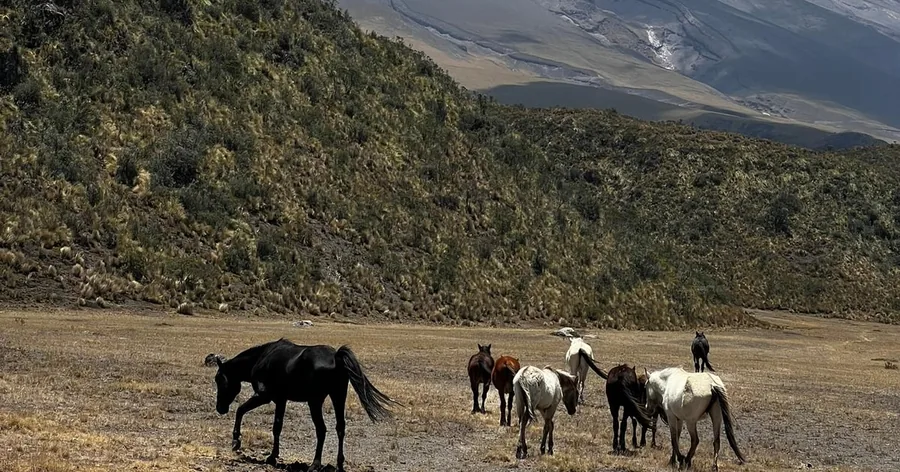
That is why IG-EPN's hazard maps focus on lahars in the valleys towards Latacunga and the Los Chillos valley near Quito, and why the volcano is watched around the clock. For a visitor on a day trip, it is history that explains the care taken today, not a reason to stay away. The páramo you cross on the way in is quiet grassland where you may see wild horses, deer and caracaras. To see the gentler side of the park in a short morning, the short Cotopaxi visit with alpacas and the lagoon (4.4 from 124 reviews) stays in the lower park.
How do closures at Cotopaxi National Park work?
The park authority, part of Ecuador's environment ministry, decides access based on IG-EPN monitoring. It can close the whole park or only the areas above the refuge, sometimes at short notice, and operators pass the news on to you.
Closures usually come in steps. When IG-EPN reports a change, the first areas to close are the summit and the slopes above the refuge, while the lower park, Limpiopungo and the viewpoints can stay open. A full closure is reserved for serious activity. Unrelated events, such as heavy snow or a rockfall high on the mountain, can also lead to short pauses in summit climbs.
- Before you travel: your operator checks the latest rules the day before and contacts you if anything changes.
- If the operator cancels: you get a refund or another date.
- If you change your mind: every tour on this site gives a full refund if you cancel up to 24 hours ahead.
- If only the upper area closes: lower-park tours still run. The Cotopaxi and Quilotoa day (4.1 from 687 reviews, the most booked and lowest-rated tour on the homepage) never goes to the refuge, so it is less affected.
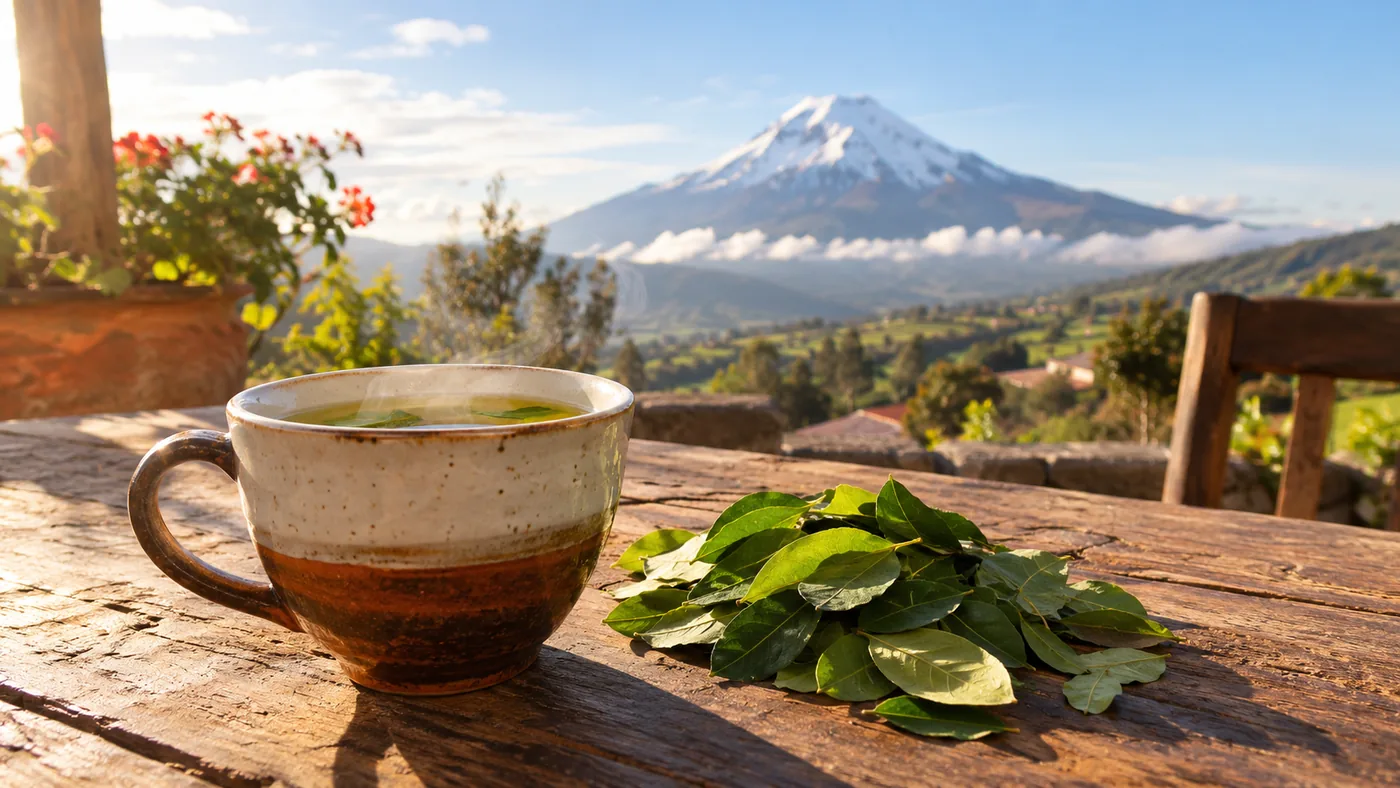
A shorter, gentler morning: the Romerillos viewpoint with alpacas, coca tea at the gate and the Limpiopungo lagoon walk, about 5 hours from Quito.
Check dates for the short Cotopaxi visitIs it safe to visit Cotopaxi?
Yes, for a normal day visit. The volcano is watched around the clock, access follows IG-EPN monitoring, and the things you actually notice on the day are the altitude, the cold and the weather.
The refuge staff, the park rangers and the tour operators all work with contingency plans reviewed with IG-EPN, and the park authority closes areas early rather than late. For you, the practical risks are the familiar mountain ones. The car park at about 4,500 m and the refuge at 4,864 m are very high, so spend a day or two in Quito first, walk slowly, drink water and tell your guide early if you feel unwell; going back down is the fastest fix. People with heart or lung conditions, or who are pregnant, should check with a doctor first. More on this is in the Cotopaxi altitude guide.
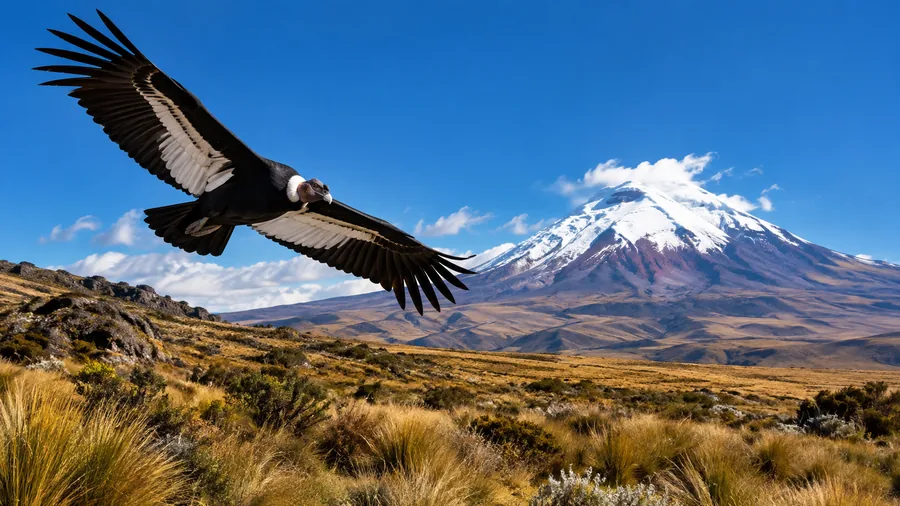
Dress for near-freezing wind, and go early: mornings are clearest, and cloud usually builds by late morning, so views of the cone are never guaranteed. The summit climb is a different matter: it is serious mountaineering with a certified guide, as the 2-day Cotopaxi summit climb with gear (a new listing, no reviews yet) shows in its gear list.
Where can you check Cotopaxi's status before you go?
On the IG-EPN website, which publishes reports on Cotopaxi, and through your operator, who confirms the rules the day before. Check close to your date, because this page reflects late September 2026.
The IG-EPN website publishes regular and special reports on Cotopaxi and Ecuador's other volcanoes, in Spanish. Look for the words baja (low) and sin cambios (no change) in the summary. Protected-area rules are published by the environment ministry on the protected areas website.
The simplest check is your booking itself. Operators drive to the park every day and know the current rules for the gate, the car park and the slopes above the refuge. If you are planning the summit, the IG-EPN briefing is part of the climb. For the full list of day tours, see the homepage tours, and if you would rather avoid the highest ground entirely, Cotopaxi or Quilotoa compares the alternatives.
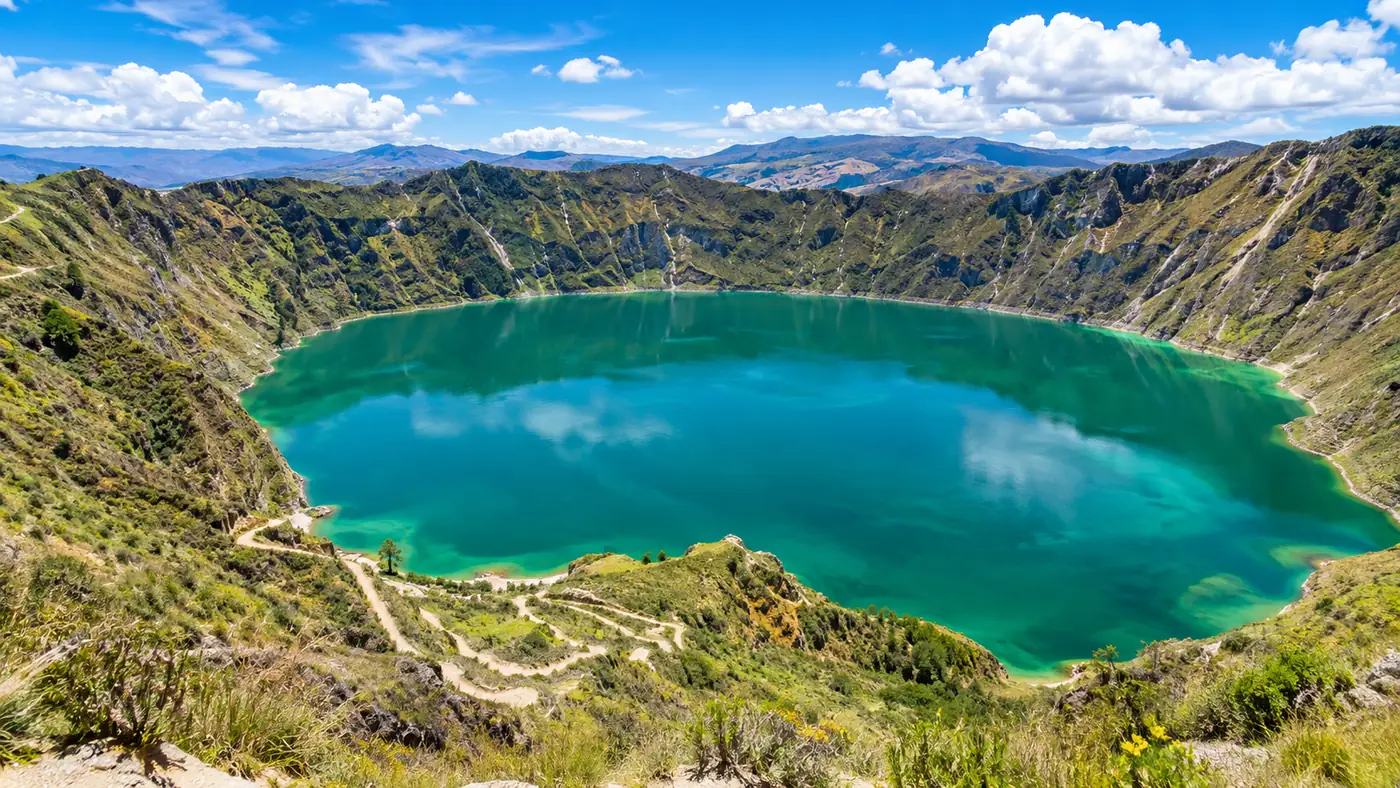
Two volcanoes in one day: a walk at Limpiopungo at the foot of Cotopaxi, then the Quilotoa crater rim, with no refuge hike.
Check dates for the Cotopaxi and Quilotoa dayFrequently asked questions
Is Cotopaxi open in 2026?
Yes. In late September 2026 the park, the José Ribas refuge and guided summit climbs were all operating. Rules can change at short notice, so your operator confirms the day before.
When did Cotopaxi last erupt?
Its last eruptive period ran from 21 October 2022 to about July 2023, with ash, gas and steam.
What happens if my Cotopaxi tour is cancelled because of the volcano?
If the operator cancels, you get a refund or another date. You can also cancel yourself for a full refund up to 24 hours ahead.
Who monitors Cotopaxi?
IG-EPN, the Instituto Geofísico de la Escuela Politécnica Nacional, which watches the volcano around the clock and publishes its reports online.
Ready to book
Choose your tour
Check your date and the live price on GetYourGuide; the refund terms are shown on each option.
Cotopaxi Day Trip with the Refuge Hike
- Transport from Quito and back
- A bilingual guide, English and Spanish
- Park visitor centre and Limpiopungo lagoon
Short Cotopaxi Visit: Alpacas and the Lagoon
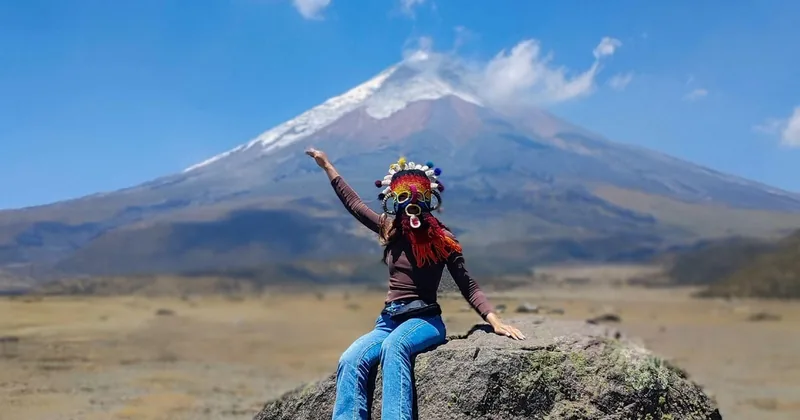
Alpacas at a viewpoint, coca tea at the gate and the Limpiopungo lagoon; no refuge hike
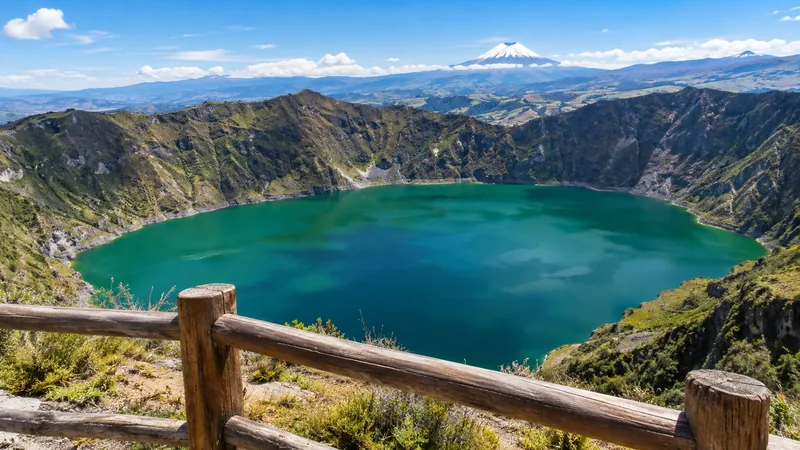
Cotopaxi and Quilotoa Crater Lake in One Day
- Pickup and drop-off in central Quito
- A native guide and an Andean welcome ceremony
- Limpiopungo lagoon walk at the foot of the volcano