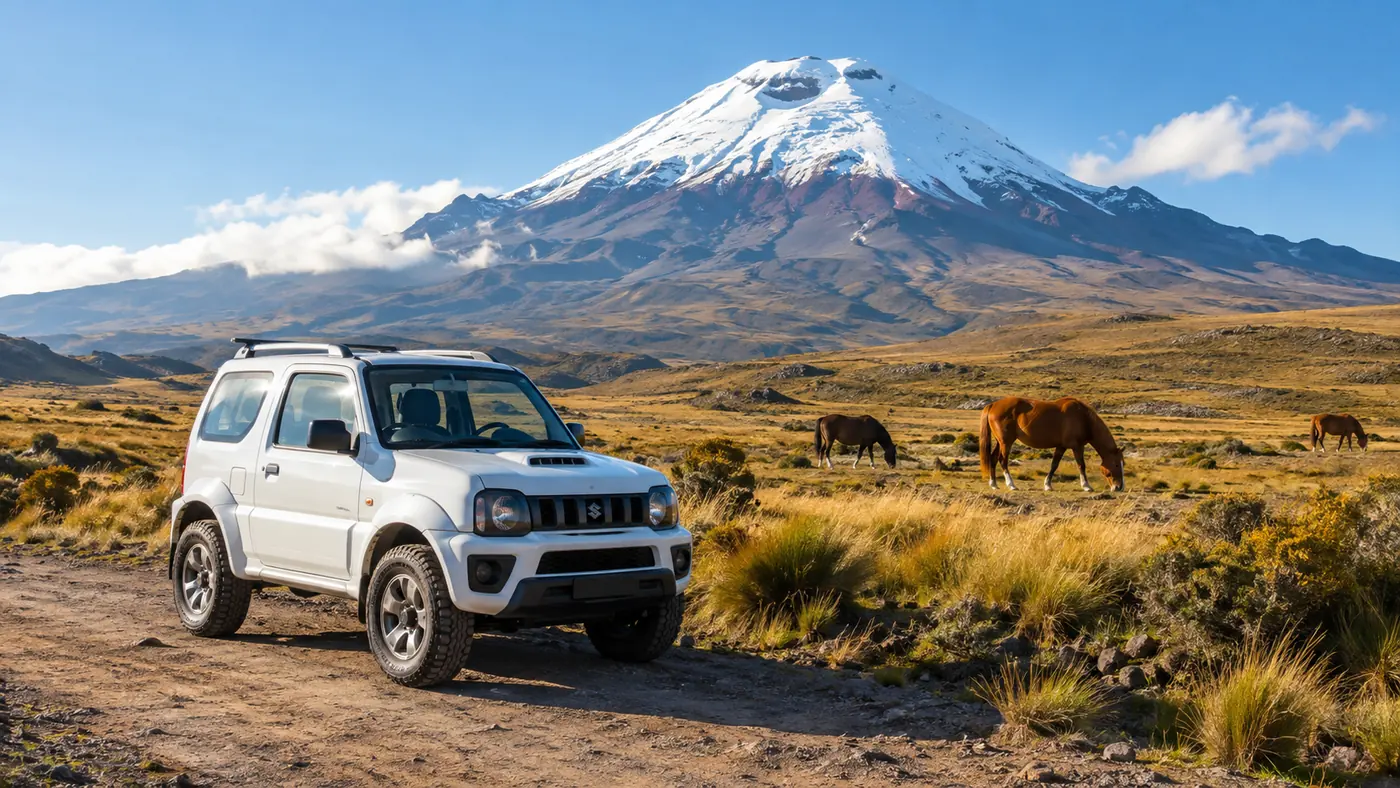
Booking choice: The short Cotopaxi visit, ★ 4.4 (124). Check dates Compare the options below
Cotopaxi is one of the highest active volcanoes in the world, and the road takes you higher in a single morning than most people have ever stood. The air is thinner, the wind is cold and the sun is strong. None of this needs to spoil the day if you know what to expect.
This guide walks through each altitude on the way, the symptoms to watch for, coca tea, the cold and the tours that keep you lower. The hike itself is described in the Cotopaxi refuge hike guide, and the summit, a very different matter, in the guide to climbing Cotopaxi.
The quick answer
Altitudes: Quito about 2,850 m, Limpiopungo lagoon about 3,800 m, the car park about 4,500 m, the José Ribas refuge 4,864 m, the summit 5,897 m. Time up high: a few hours, then you sleep back in Quito. Before you go: a day or two in Quito, plenty of water, no alcohol the night before, a light breakfast. On the trail: walk slowly, rest often and tell your guide early about a headache or nausea. Fastest fix: going down. Check with a doctor first: heart or lung conditions, pregnancy, or severe altitude illness in the past; medication only through a doctor. Coca tea: a tradition offered on many tours, not a medicine. Temperature: around 0 to 8 °C at the car park and the refuge by day, colder in the wind. Lower options: the short lagoon visit and the Cotopaxi and Quilotoa day trips, none of which hike to the refuge. Cancellation: full refund if you cancel up to 24 hours ahead on every tour listed here.
How does the altitude at Cotopaxi feel?
For most visitors, like hard work at an easy pace: you breathe fast, your heart beats harder and the steep sand slope to the refuge feels much longer than it is. Many people also get a mild headache, which usually fades once they are back down.
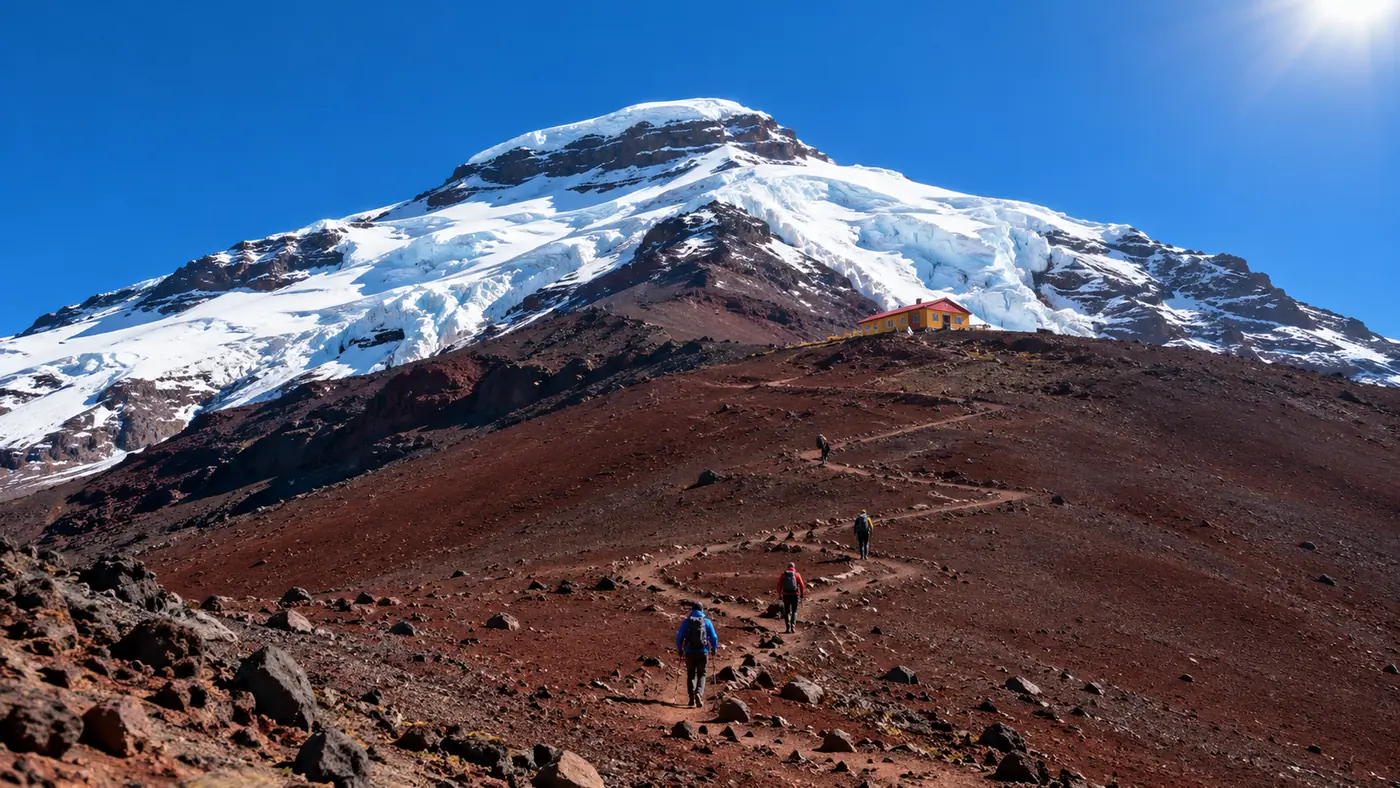
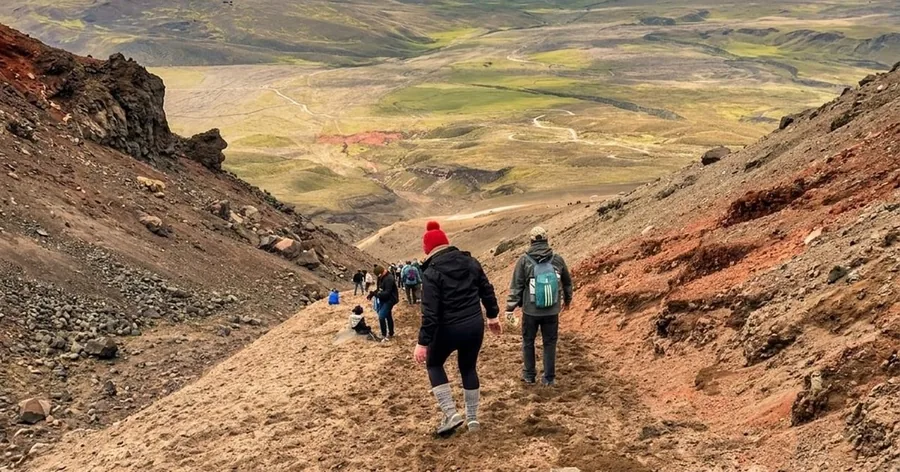
At the car park, at about 4,500 m, each breath holds noticeably less oxygen than at sea level. You notice it as soon as you start walking uphill: ten steps can leave you puffing, and the refuge, only a few hundred metres higher, takes 45 to 60 minutes to reach. Guides set a slow, steady pace on purpose. Nobody expects you to hurry, and stopping every few minutes to catch your breath is normal.
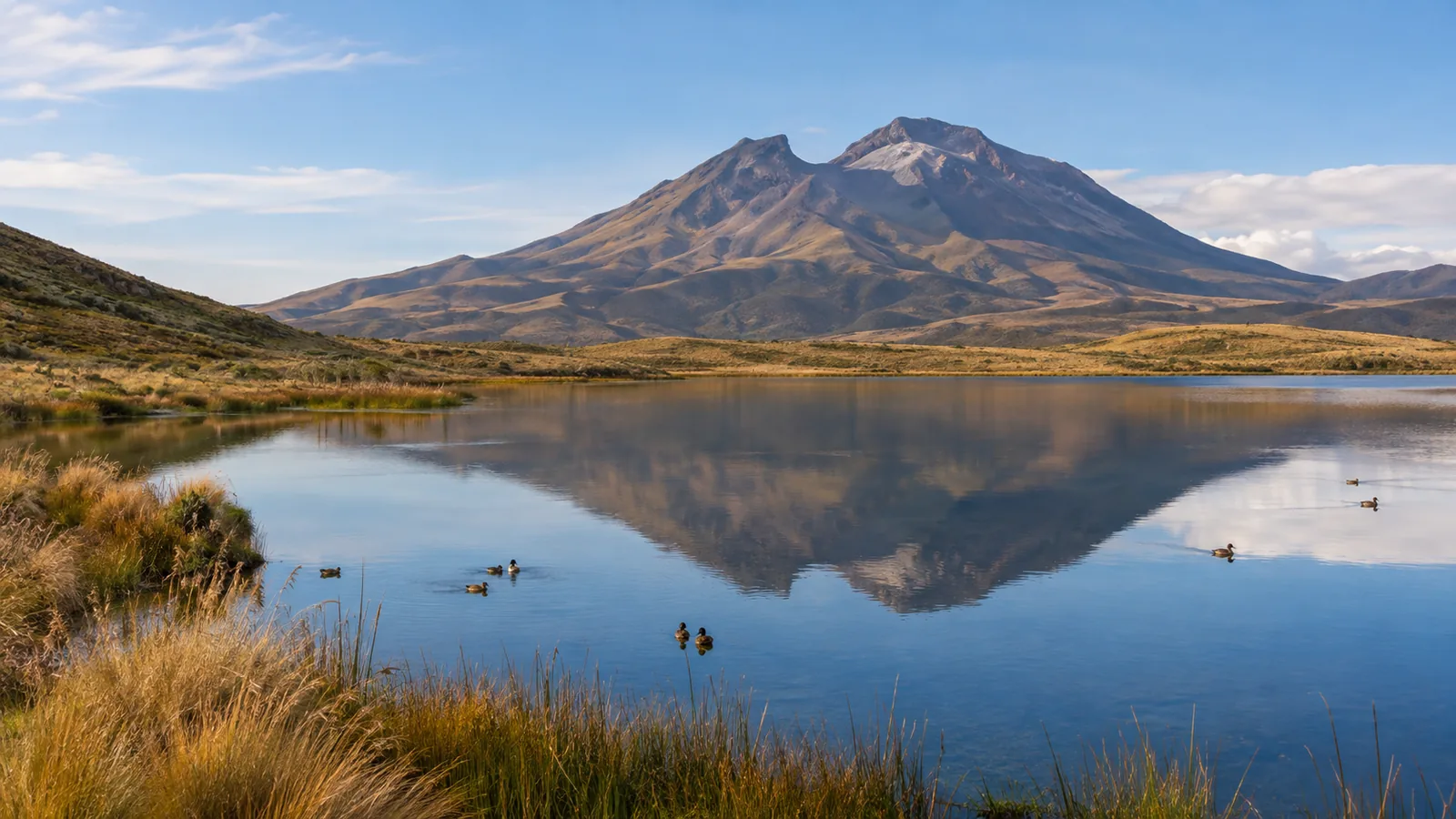
Standing at Limpiopungo lagoon, at about 3,800 m, most people feel little beyond the cold wind. Reviewers of the flagship refuge tour call the hike “challenging” and “strenuous but worth it”, and that is a fair summary: the altitude makes it tiring, not technical. A good night's sleep, a light breakfast and plenty of water make a real difference.
How high do you go on a Cotopaxi day trip?
On the refuge tours, to 4,864 m at the José Ribas refuge, after a drive to the car park at about 4,500 m. On the lagoon and Quilotoa tours you stay at about 4,000 m or lower.
The table follows a typical day, from your hotel in Quito to the highest point you could reach, with Quilotoa added for comparison. The summit line is there for scale only: no day tour goes there. The summit is a separate two-day climb with glacier gear and a start around midnight.
| Place | Altitude | What you feel | Tip |
|---|---|---|---|
| Quito | About 2,850 m | Slight breathlessness on stairs during your first day or two | Spend one or two nights here before the trip |
| Breakfast stop near Machachi | About 2,950 m | Usually nothing new | Eat lightly and drink water |
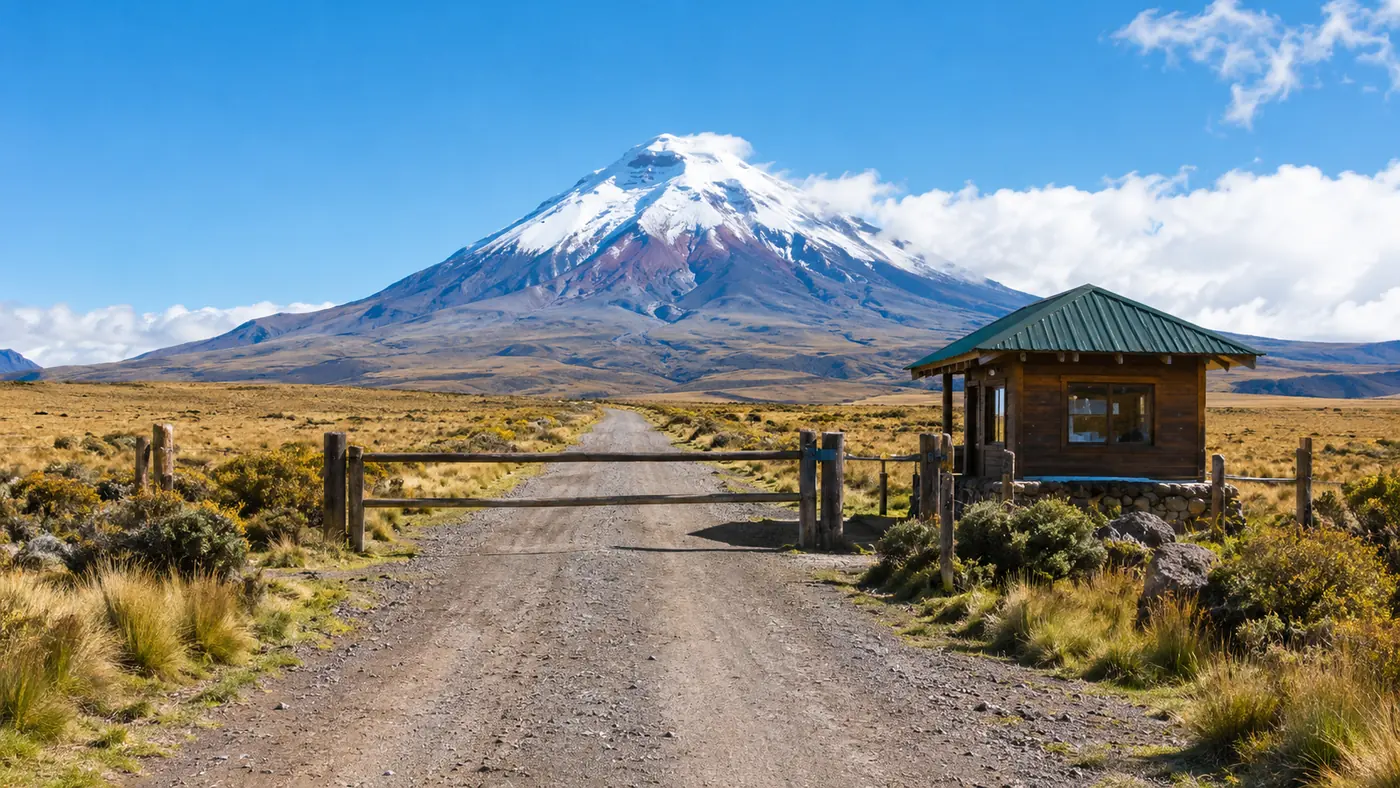
| Park gate | About 3,500 to 3,600 m | Cooler air, perhaps a light head | Coca tea is often offered around here |
| Limpiopungo lagoon | About 3,800 m | Easy on the flat trail, colder in the wind | Walk at a relaxed pace and add a layer |
| Car park | About 4,500 m | Fast breathing as soon as you move | Put on your warm layers before you step out |
| José Ribas refuge | 4,864 m | Heavy legs, short breath, sometimes a headache | Walk slowly, rest often, tell your guide early |
| Glacier edge | About 5,000 m | Hard work at every step | Only with a guide and when the park allows it |
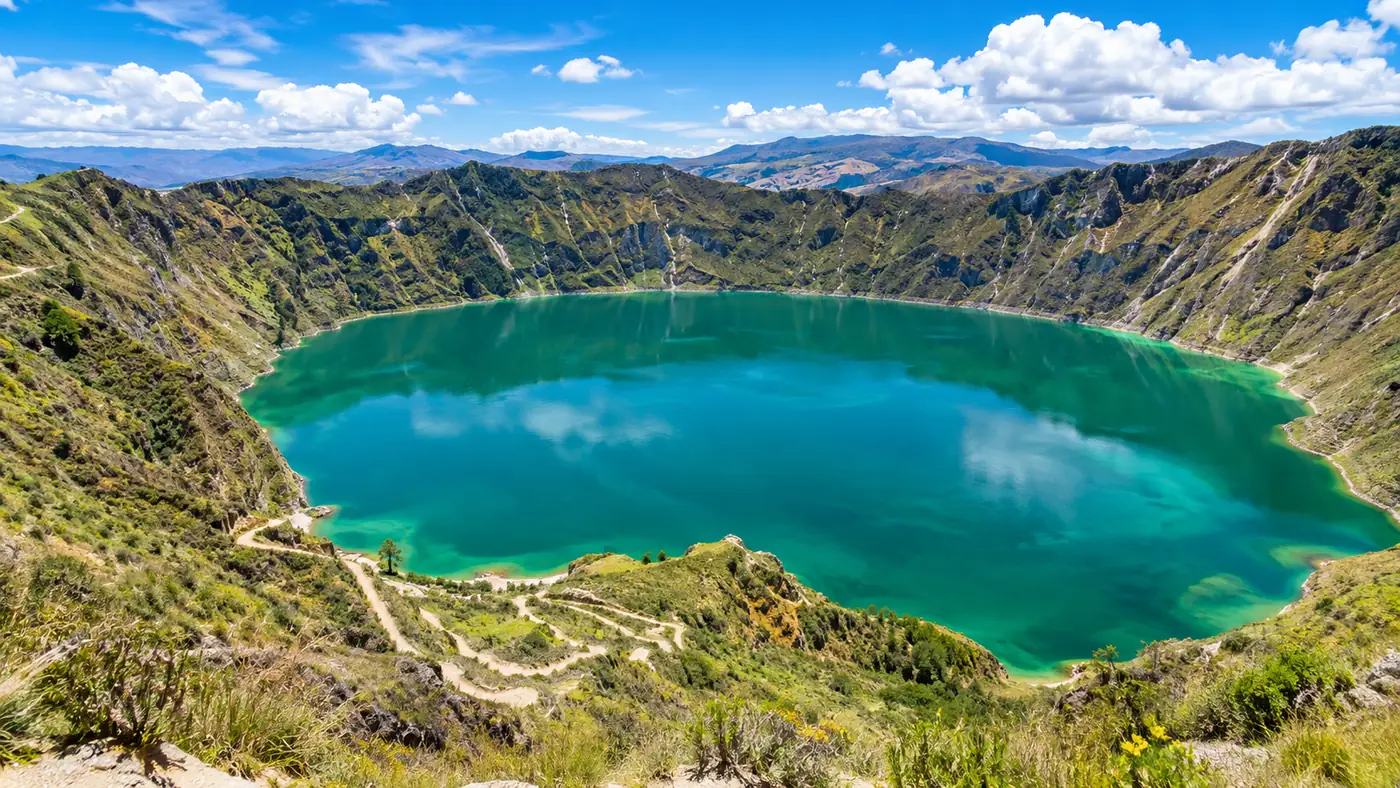
| Quilotoa rim | About 3,900 m | Easy on the rim, tiring on the climb back from the lake | Take the slope back up slowly |
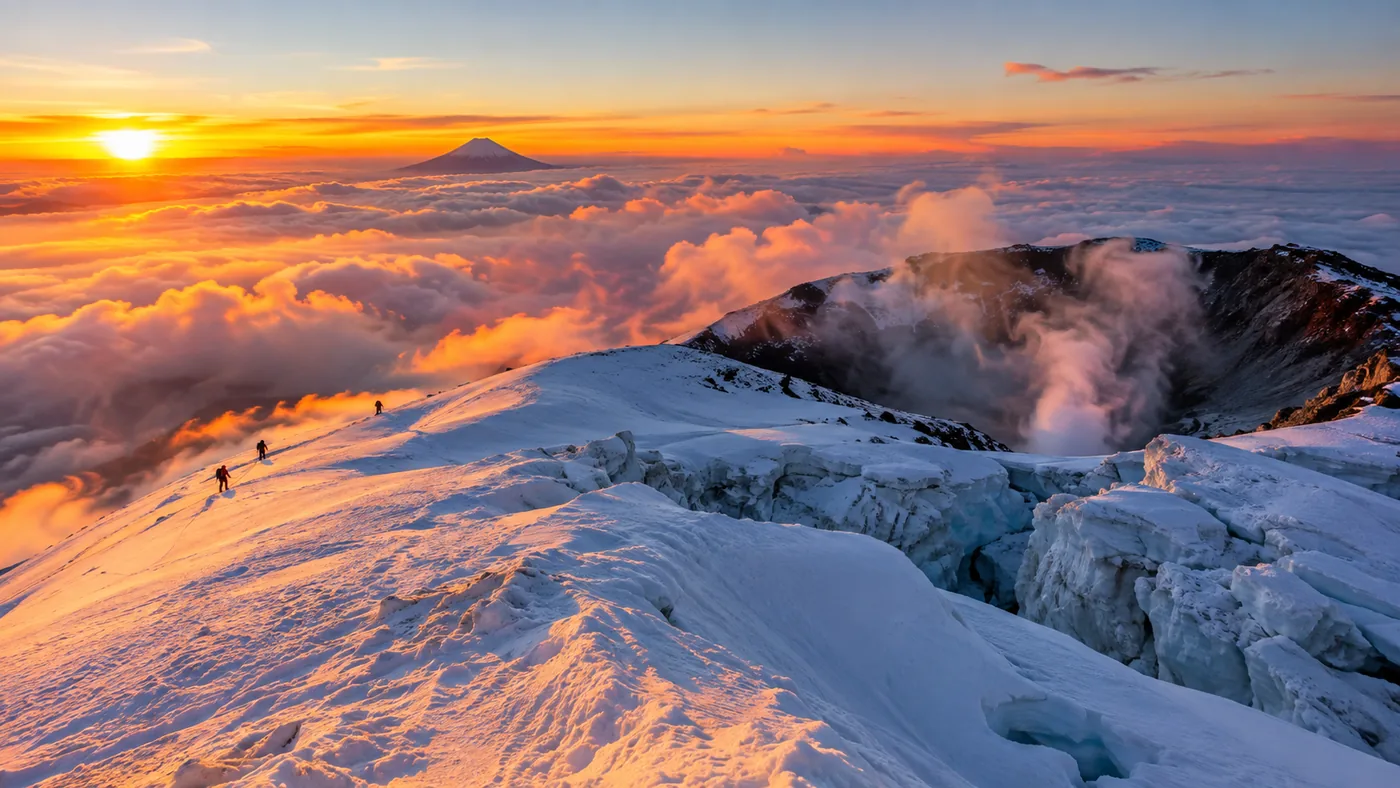
| Cotopaxi summit | 5,897 m | Serious high-altitude mountaineering | Only on a two-day guided climb after acclimatisation days |
A gentle five-hour visit that stays around the lagoon and the viewpoints, with coca tea at the park entry and no steep hike.
Check dates for the short Cotopaxi visitHow many days should you spend in Quito before Cotopaxi?
At least one, ideally two. Quito lies at about 2,850 m, high enough for your body to start adjusting, so a day or two of sightseeing there makes the refuge hike noticeably easier.
Advice for high-altitude travel says that two or three nights at about 2,500 to 2,800 m protect you well before you go higher, and Quito fits that almost exactly. Use those days for easy sightseeing in the Old Town or La Mariscal rather than long hikes, and do not book the refuge hike for the morning after a long-haul flight. If you arrive from the coast, the Amazon or the Galápagos, the same logic applies: give yourself a day in Quito first.
A day trip is easier than the numbers suggest because you spend only a few hours above 4,000 m and then sleep back in Quito, much lower. Altitude illness mostly builds with time spent high, especially overnight. The summit climb is very different: you sleep at the refuge and set off around midnight, and climbers spend several acclimatisation days on smaller peaks first, as the guide to climbing Cotopaxi explains. For background, the CDC page on high-altitude travel is clear and sensible.
The flagship refuge day: a bilingual guide who sets an easy pace on the sand slope to 4,864 m, with a breakfast stop on the way.
Check dates for the day trip with the refuge hikeWhat are the symptoms of altitude sickness?
The usual sign is a headache, often with loss of appetite, nausea, tiredness, dizziness or poor sleep. Symptoms can start within hours of going up, and they usually ease quickly once you go down.
- Common and mild: a headache, short breath when walking, a racing heart on the slope, feeling tired or slightly dizzy. Most people on a refuge day feel some of this.
- Tell your guide: a headache that keeps getting worse, nausea or vomiting, or feeling unusually weak. The guide may suggest a longer rest or turning back, and you can wait at the car park or go down to the lagoon.
- Go down and get help: confusion, unsteady walking or breathlessness while resting. These are rare on a day trip, and going lower is the cure.
On a refuge day, going down is also easy: the van waits at the car park, and the drive to Limpiopungo takes you several hundred metres lower within minutes. Guides see the effects of altitude every day, so speaking up early is normal and nobody will mind. Drinking water, eating something light and avoiding alcohol the night before all help.
Does coca tea help with altitude?
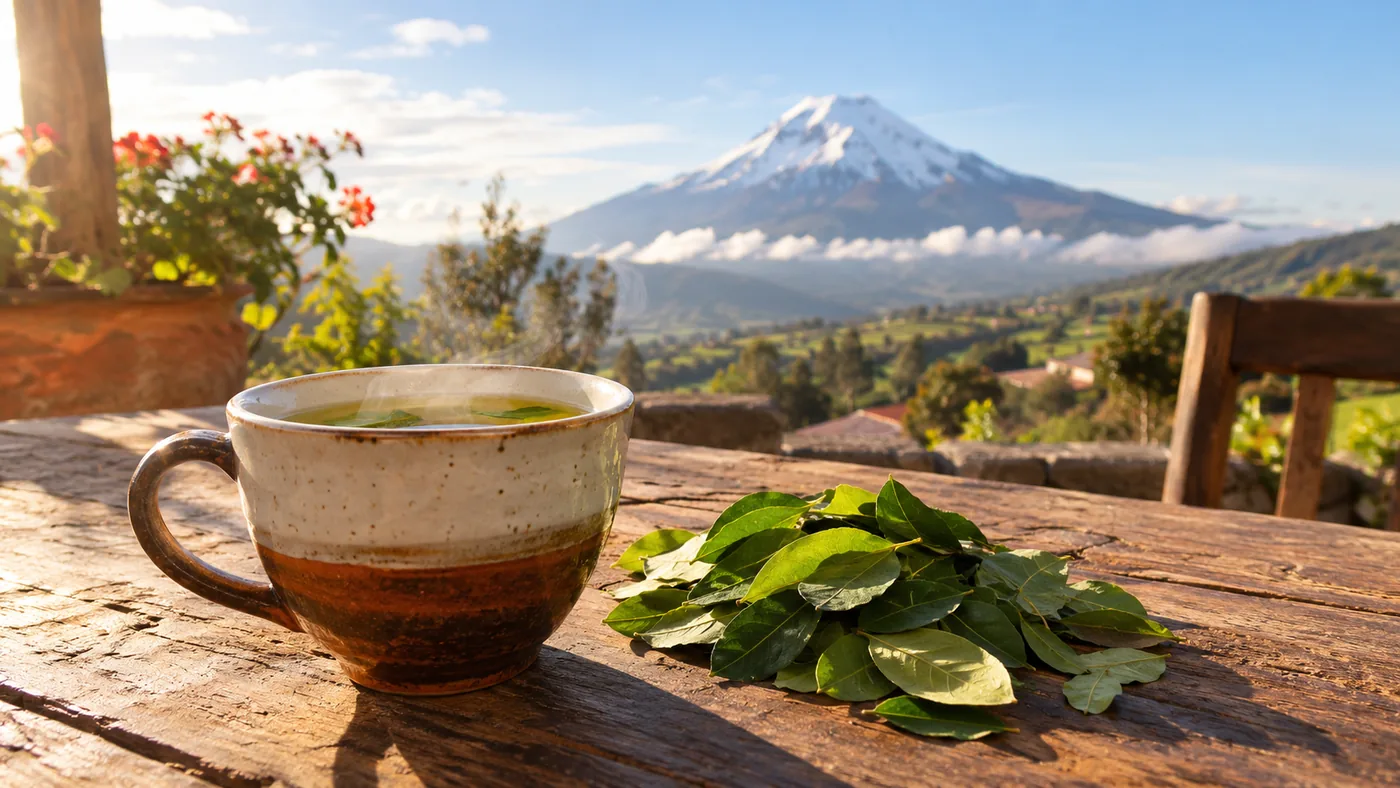
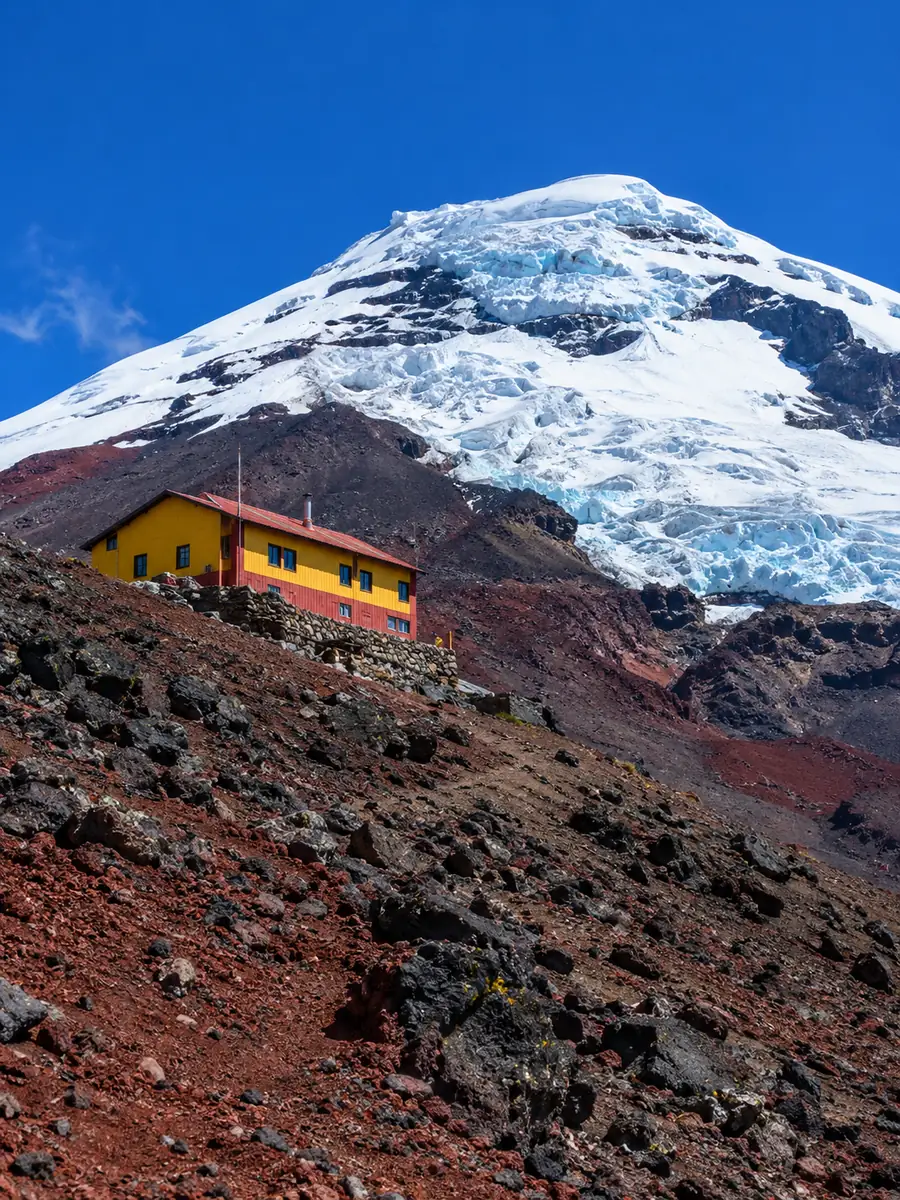
Coca tea is a traditional Andean drink that many tours offer at the park entry, and many visitors find a warm cup comforting. It is not a medicine, and it does not replace a slow pace, water and time in Quito.
Mate de coca is made from coca leaves and has been drunk in the Andes for centuries, especially against cold and tiredness. On the short Cotopaxi visit with alpacas and the lagoon it is part of the stop at the park entry, and the most booked Cotopaxi and Quilotoa day offers it before the park as an optional extra. Reviewers of the refuge tour mention coca tea stops too. Enjoy it as part of the culture rather than as a treatment.
Two practical notes. Do not take coca leaves or tea bags home: many countries treat them as a controlled substance. And if you are thinking about medication, there is a prescription medicine called acetazolamide that can speed up acclimatisation, but whether it suits you and how to take it is a question for your doctor, not for a guide or a website.
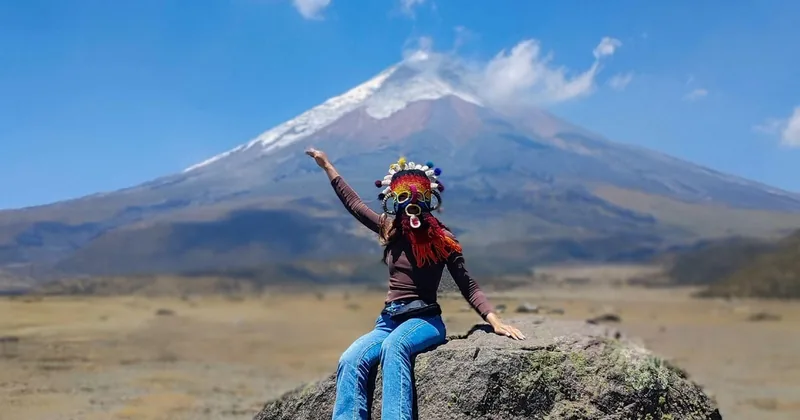
The gentlest way to see the volcano: five hours with pickup at your accommodation, the Romerillos viewpoint with alpacas, coca tea and handicrafts at the park entry, photo stops at about 4,000 m and a walk at Limpiopungo lagoon. No refuge hike. Rated 4.4 from 124 reviews.
Explore the short Cotopaxi visitWho should not hike up to the Cotopaxi refuge?
People with heart or lung conditions, pregnant travellers and anyone who has had severe altitude illness before should check with a doctor first. For them, and for young children, a lower day around the lagoon is often the better choice.
The refuge hike is not technical, but it is steep and very high, and tours set their own limits. The hike-and-bike day, for example, is not suitable for children under 6, people over 65 or anyone with heart or breathing problems. Families with young children often stay at Limpiopungo and the lower viewpoints, which still give a full day at the volcano.
The short lagoon visit stays at about 4,000 m and below. The Cotopaxi and Quilotoa day trip (4.1 from 687 reviews, the most booked and the lowest rated of the main tours here) pairs the foot of the volcano with the Quilotoa crater rim at about 3,900 m, and the small-group Cotopaxi and Quilotoa day (4.7 from 70 reviews) covers the same ground in smaller groups. None of these three hikes to the refuge. On the private horseback day you can take the flat Limpiopungo trail instead of the hike. To weigh the two volcanoes, see Cotopaxi or Quilotoa.
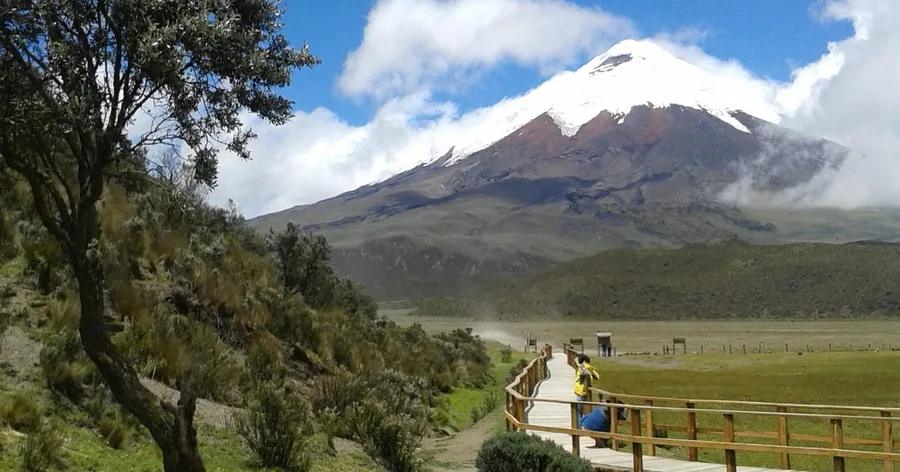
Two volcanoes without the steep hike: the foot of Cotopaxi, a lagoon walk and the Quilotoa crater rim, with empanadas and a warm drink.
Check dates for the Cotopaxi and Quilotoa dayHow cold is it at Cotopaxi?
Colder than most visitors expect. By day it is usually around 0 to 8 °C at the car park and the refuge, the wind makes it feel colder, and nights drop below freezing. Even on a sunny morning, expect near-freezing wind up high.
Cotopaxi lies almost on the equator, so there is no real summer or winter: the temperature depends on the altitude and the weather of the day. At Limpiopungo lagoon a calm, sunny morning can feel mild, while the car park, about 700 m higher, is often windy and raw. Cloud usually builds by late morning to midday, and once it hides the sun the temperature drops fast. Rain, hail or a little snow are possible in any month, more often from February to May and in October and November.
The sun is the other surprise. At this altitude, so close to the equator, it burns quickly even through thin cloud, and the snow and the pale sand reflect it. The driest months, with the best chance of clear views, are June to September, which can be very windy, and December to January.
What clothes should you pack for a day at Cotopaxi?
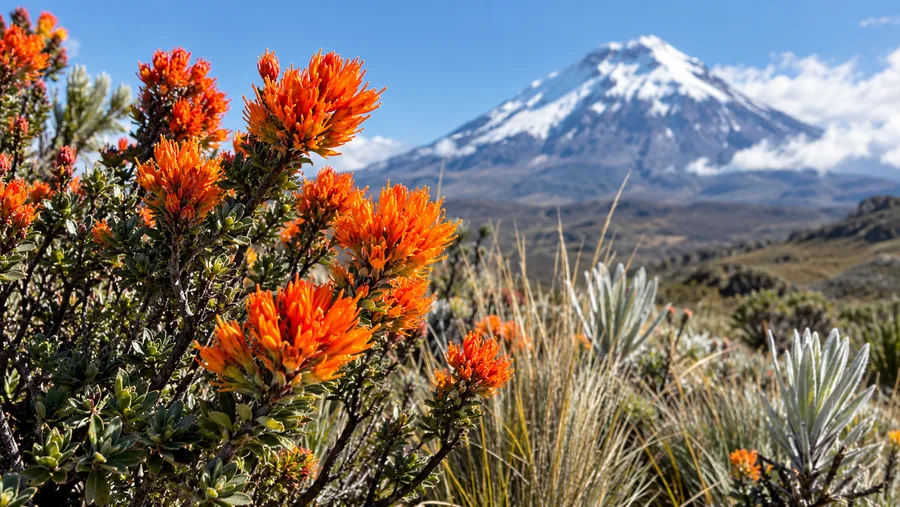
Dress in layers you can add and remove: a warm base layer, a fleece or light down jacket, a windproof and waterproof shell, a warm hat, gloves, sunglasses and high-factor sunscreen. Wear hiking shoes or trainers with good grip for the loose sand.
- Layers: a thermal top, a fleece and a windproof jacket work better than one heavy coat, because you warm up fast on the slope and cool down fast at the top.
- Head and hands: a warm hat, gloves and a neck gaiter or scarf against the wind.
- Sun: sunglasses, high-factor sunscreen and lip balm.
- Feet: hiking shoes or sturdy trainers with good grip; the sand slips under smooth soles.
- In your bag: water, a snack and some cash for the food stops, since several tours do not include meals.
If you forget something, stalls at the park entry and the roadside stops sell wool hats, gloves and ponchos, and reviewers of the hike-and-bike day mention buying exactly that on the way. On the private horseback ride and refuge hike (5.0 from 23 reviews) the horse gear is provided, but warm clothes are still yours to bring. The full picture of the hike is in the Cotopaxi refuge hike guide.
A private day with a chagra horse guide: about 1.5 hours on horseback, then the refuge hike or the flat lagoon trail if you prefer.
Check dates for the private horseback ride and refuge hikeFrequently asked questions
Can you get altitude sickness on a Cotopaxi day trip?
Mild symptoms such as a headache or short breath are common. Serious altitude illness is rare on a day trip, because you spend only a few hours up high and sleep back in Quito.
Do you feel the altitude at Limpiopungo lagoon?
A little. The lagoon lies at about 3,800 m, so you may feel slightly breathless, but the trail is flat and most people find it easy.
Should I drink alcohol the night before Cotopaxi?
Better not. Alcohol makes dehydration and altitude symptoms worse, so save the canelazo for after the trip.
What helps most on the refuge hike?
A slow, steady pace, regular sips of water and telling your guide early if you feel unwell. Going down is the fastest fix.
Ready to book
Choose your tour
Check your date and the live price on GetYourGuide; the refund terms are shown on each option.
Short Cotopaxi Visit: Alpacas and the Lagoon
Alpacas at a viewpoint, coca tea at the gate and the Limpiopungo lagoon; no refuge hike
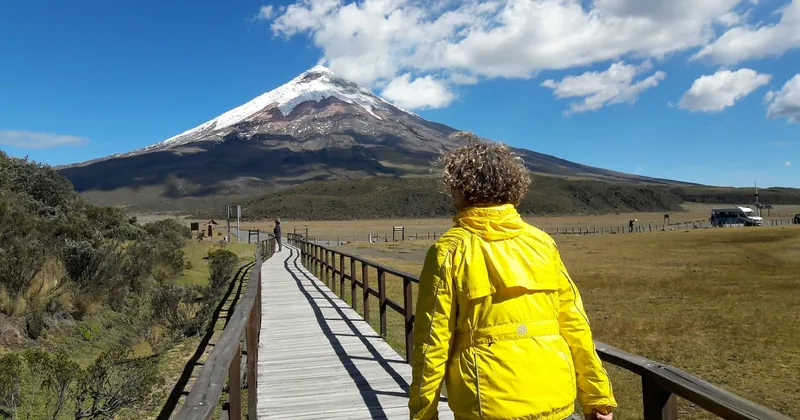
Cotopaxi Day Trip with the Refuge Hike
- Transport from Quito and back
- A bilingual guide, English and Spanish
- Park visitor centre and Limpiopungo lagoon
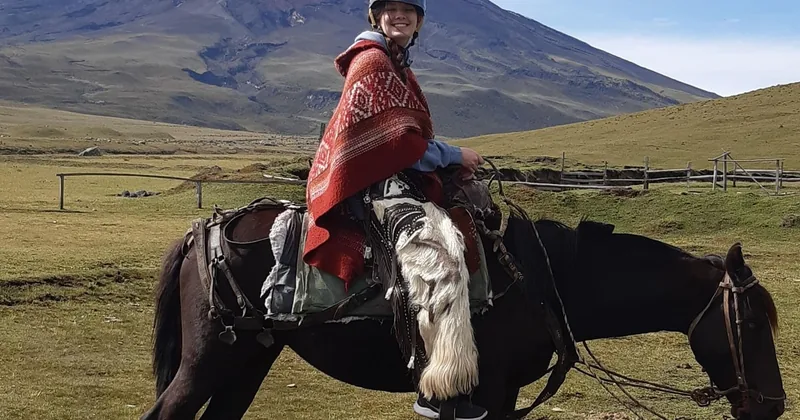
Horseback Ride and Refuge Hike, Private
- Private transport with hotel pickup
- A certified guide and a chagra horse guide
- About 1.5 hours on horseback, no experience needed